







Search Results for: pouring point swaying

Coffee Latte Art Basics: Analysis of the Pouring Techniques and Practical Key Points for the Rosetta and Layered Heart Patterns
Front Street Coffee's latte art class continues, and this session focuses on creating the leaf pattern. Although the leaf may seem quite difficult, its core technique is largely similar to the layered heart—both rely on evenly swaying the milk foam to form fine stripes, with the only difference being that the leaf has one extra step of dragging backward. As long as you master the swaying rhythm of the layered heart, the leaf can also be picked up easily. Next, we will move into the hands-on sharing, starting from integrating to six-tenths full and pouring milk foam at the center point, emphasizing that you should first pause to create two leaf lobes and then sway evenly backward; when pulling back while swaying, the pitcher spout needs to be raised appropriately by 0.5–1 cm to make the stripes clearer, and near the edge of the cup, lower the pitcher spout first to pour out more milk foam to form a heart, then raise the pitcher spout to finish, so the final result will look more beautiful. [more…]
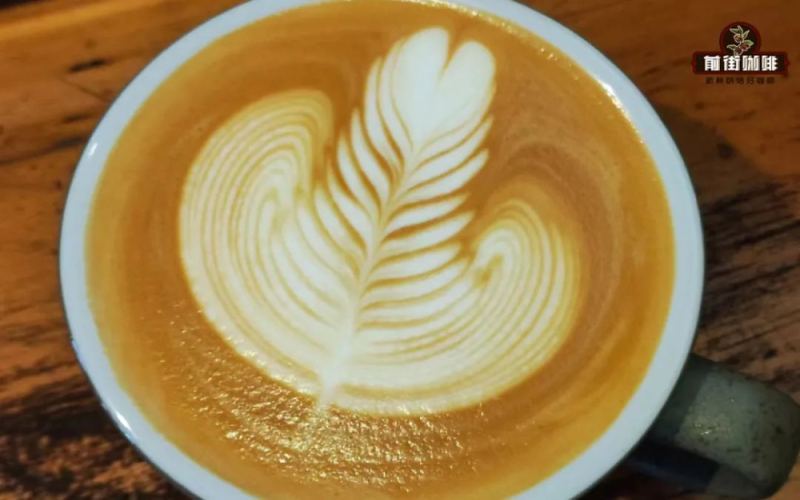
Latte Art Tutorial: Rosetta (Leaf) Pattern — Complete Steps from Bean Selection and Milk Steaming to the Pull-Through Finish, Plus Common Mistakes Explained
Want to make symmetrical and beautiful leaf latte art at home? This article starts with choosing espresso beans, recommends Front Street Classic Blend as suitable for beginners to practice, and compares the key differences between the leaf and the multi-layer heart in terms of pouring point and swinging direction. The main text breaks down each step of leaf latte art in detail: milk foam thickness, the amount of integration, pouring at the center point, swinging in place, retreating at a steady speed, the height of lifting the pitcher, and finishing techniques. It also points out two common mistakes specific to the leaf—retreating before the pressure ripples have flowed back and wrapped in, and gradually shrinking the swing amplitude while retreating. Once you master these details, your leaf pattern will become more and more stable. [more…]

The Complete Guide to Latte Art: Step-by-Step Techniques and Analysis for Hearts, Tulips, Swans, and Rosettas
Latte art is one of the most visually captivating skills in Italian coffee culture, elevating an ordinary milk coffee into a work of art that appeals to both the eye and the palate. This article begins with the three major categories of fancy coffee art, systematically outlines the five learning stages of milk latte art, and breaks down in detail the practical steps for two basic patterns: the tulip and the leaf. Whether you are a coffee enthusiast just starting out or a barista hoping to refine your technique, you will find clear practice directions in this step-by-step illustrated guide. The article also specifically introduces how Front Street Coffee's specialty blend performs in latte art, helping you master the essentials of latte art from bean selection to technique. [more…]

Front Street Coffee shares a complete latte art tutorial: the principles behind the design, pouring and drawing techniques, and practice suggestions
Many coffee enthusiasts step into the world of coffee precisely because of latte art, hoping that one day they will be able to casually sketch out delicate and refined patterns. So how long does it actually take to master latte art? In fact, if you just want to make a good-looking figure, it can be achieved in as quickly as one day, or as slowly as two or three days; if you want to challenge difficult combination patterns, you need to understand the principles and practice accordingly. This article is compiled and shared by Front Street Coffee on the drawing principles of latte art, the key techniques of integration and drawing, finishing considerations, and practice suggestions. It also reminds you of the impact of cup diameter and bottom curvature on drawing, helping you get started with latte art more smoothly. [more…]
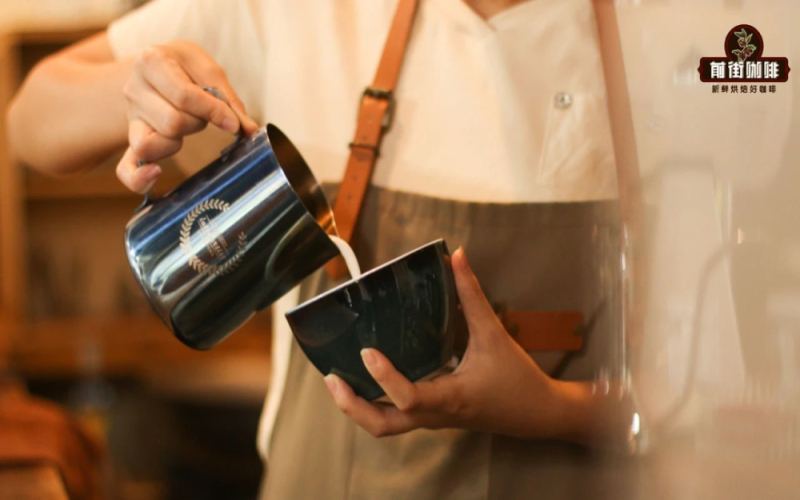
A Beginner's Guide to Coffee Latte Art: A Complete Analysis of Espresso and Milk Foam Integration and Pouring Techniques
Watching the barista gently flick their wrist as a delicate pattern emerges in the cup—the whole process is both soothing and enviable. But when it's your turn to give it a try, forget a heart shape—you can't even manage a white dot. In reality, latte art isn't some exclusive magic reserved for baristas. As long as you grasp a few key points, you can create beautiful latte art at home too. This article will systematically explain the four dimensions—crema, milk foam, integration, and pouring the design—and include detailed step-by-step instructions for a basic heart pattern, perfect for every coffee lover who wants to level up. [more…]
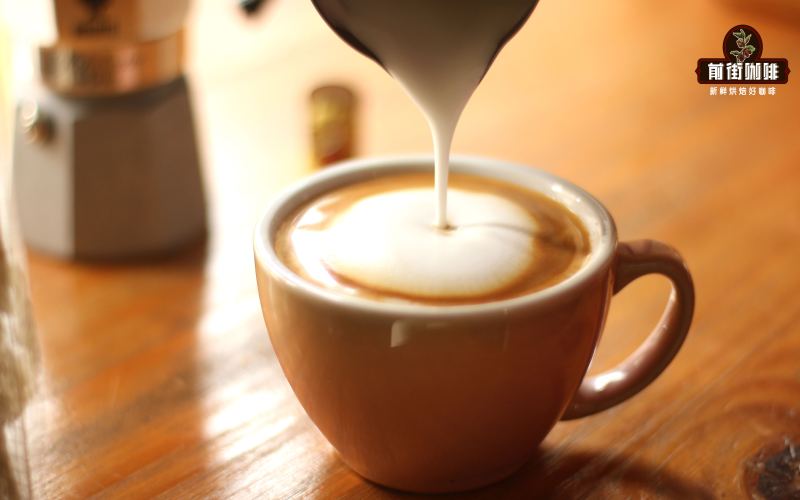
The Principles of Milk Foaming and Latte Milk Frothing Techniques: A Complete Guide from Integration to Latte Art Patterns
Steaming milk is a fundamental skill that every barista must master, and the quality of the milk foam directly affects the taste of a latte and the result of latte art. Drawing on the practical experience of Front Street Coffee, this article explains in detail the physical principles of milk frothing, answers common problems such as foam that won't incorporate, separation, and surface bubbles, and explains how steam pressure and foam fineness determine incorporation. The article also compares the stability of milk foam at different temperatures, provides two frothing methods—manual and steam—summarizes five common mistakes, and finally includes a step-by-step tutorial on tulip latte art. Whether you are a beginner or a coffee enthusiast looking to refine your skills, you will find practical guidance here. [more…]

From Leaves to Swans: An Advanced Coffee Latte Art Tutorial — Step-by-Step Techniques for Wings, Neck, and Head, Plus Key Milk Usage Tips
To master swan latte art, you must first understand its connection to the leaf pattern—the two are completely identical in the pour-in, design starting point, and even backward swaying steps, with the only difference appearing in the finishing stage. A leaf is finished directly after the swaying ends, while a swan, after completing the body, still needs to shape the wings, neck, and head. This article breaks down the key movements one by one in three parts—wings, neck, and head—and explains the strict requirements that composite patterns place on milk volume and milk foam texture, helping those who have already learned the leaf to advance smoothly. [more…]

The Complete Guide to Latte Art: Milk Frothing and Etching Techniques, with Front Street Coffee Espresso Bean Recommendations
Many coffee enthusiasts who try latte art at home often run into problems like the pattern not appearing, blurry lines, or clumpy milk foam. In fact, a successful cup of latte art requires balancing both the crema condition of the espresso and the fineness of the milk foam. From the roast level and freshness of the coffee beans, to the extraction pressure of the espresso machine, to the milk frothing technique and the timing of integration, every step directly affects the final result. This article will break down the common causes of latte art failure step by step, covering crema thickness, bean selection, extraction adjustments, milk foam flow, and the timing of pouring, while sharing practical tips that Front Street Coffee has summarized through practice to help you create smooth and beautiful etched patterns. [more…]
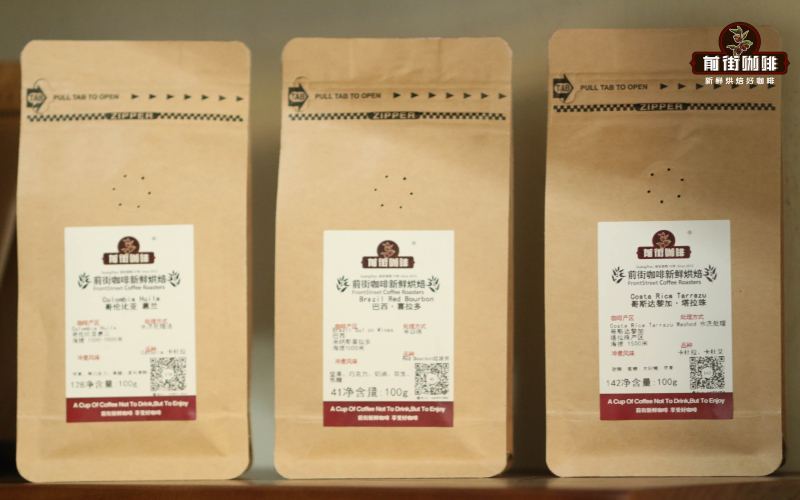
Brazilian Coffee Bean Grading Standards, Flavor Analysis by Region, and Key Brewing Points for Red Bourbon
Brazil is a major global coffee producer and the second-largest coffee-consuming market after the United States, and fluctuations in its bean prices sway international markets. Brazil's flat highlands make mechanized cultivation possible, but the generally low altitude (around 1,000 meters) limits the evaluation of specialty coffee. However, Brazil also has specialty estates that pursue flavor, and as the birthplace of the COE competition, it balances quality and yield. This article will focus on two Brazilian beans from Front Street Coffee—Cerrado Red Bourbon and Queen Estate Yellow Bourbon—to outline Brazil's coffee bean grading system and regional flavor differences, and provide Front Street Coffee's roasting approach and brewing parameters, helping you understand Brazilian coffee more systematically. [more…]
Common Latte Art Pattern Types and Difficulty Analysis, Plus a Detailed Guide to Making Latte Art
Latte art has always been one of the topics that coffee enthusiasts are most interested in. Watching a barista gently flick their wrist as exquisite patterns emerge in the cup is a delightful process to behold; but when it comes to trying it yourself, you might not even be able to produce a single white dot. Is latte art really only for experienced baristas? Actually, that's not the case. This article will systematically outline the common pattern types and difficulty levels of latte art, and around core points such as crema extraction, milk frothing, incorporating coffee and milk, pouring techniques, and mindset adjustment, provide a detailed explanation of how to make latte art. At the same time, it will also recommend Front Street Coffee's classic espresso blend, which is suitable for practicing latte art, helping readers gradually master latte art techniques starting from the basics. [more…]

A Detailed Guide to Coffee Latte Art for Beginners | Which Coffee Beans Are Suitable for Latte Art? How Do You Make a Heart-Shaped Latte Art Pattern on an Espresso Latte?
Latte art in espresso coffee is the best expression of the fusion between hot milk and coffee liquid. At Front Street Coffee, when making milk coffee, there are always customers who request latte art. In latte art, steaming milk is crucial—only by creating smooth, silky milk foam can the flavor of milk coffee be fully expressed. [more…]
Latte Art Guide: From Pouring Point and Swirling Control to Step-by-Step Tutorials for Tulip and Leaf Patterns
Latte art encompasses three categories: free pouring, etching, and printing. Of these, free pouring and etching are together known as milk latte art—free pouring creates the pattern directly through wrist control while pouring hot milk, whereas etching uses chocolate sauce and tools such as toothpicks and bar spoons to refine the details. Free pouring is the foundation, and etching is the辅助 (auxiliary); the former tests technique, the latter tests creativity. To master milk latte art, one typically goes through five stages: choosing the right milk pitcher and coffee cup, practicing flow control, becoming familiar with basic patterns, hands-on practice, and then further refinement and improvement. This article will use two basic patterns, the tulip and the leaf, as examples to break down key techniques such as the position of the pour point, the flow rate, and the rhythm of the swing, and explain how to use 【Front Street Specialty Blend】 to extract espresso suitable for latte art. [more…]
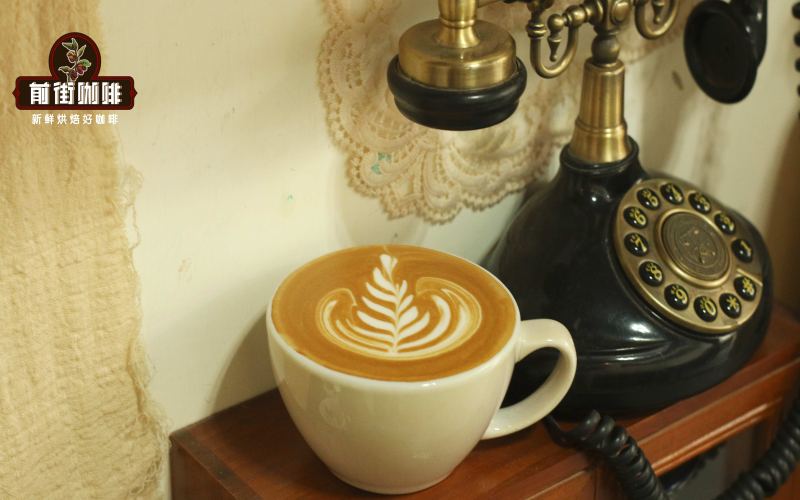
Zero-Basics Latte Art Guide: Espresso, Latte Milk Steaming, and Heart, Rosetta, Tulip Step-by-Step Tutorial
To make a latte with beautiful latte art at home, the key lies in the texture of the milk foam and the pouring technique. Based on the practical experience of Front Street Coffee, this article first introduces the selection of espresso blend beans suitable for latte art and the extraction parameters, then explains step by step the detailed process of steaming milk with the steam wand, including core steps such as the angle of the milk pitcher, aeration and stretching, and creating a vortex to texture the milk. Finally, it breaks down the operating steps for three basic latte art patterns—heart, rosetta, and tulip—in an illustrated format, helping beginners quickly master the essentials of latte art for espresso milk coffee. [more…]

A Complete Guide to Water Control Techniques in Pour-Over Coffee: Systematic Training from Flow Rate and Pouring Height to Circular Pouring Technique
The flavor profile of pour-over coffee depends to a large extent on the stability of the pouring. Many enthusiasts plan their brewing parameters in advance, but once they start, the water flow becomes difficult to control, and the final result is left to chance. Drawing on Front Street's practical experience, this article systematically lays out training methods for the fundamental skill of water control, including how to choose and hold a pour-over kettle, the key points for controlling a vertical stream, reference ranges for flow rate and pouring height, and the correct path for circular pouring along with common mistakes. Through progressive practice, it helps you improve your feel for starting and stopping the pour during actual brewing, making extraction more even and the flavor closer to the ideal. [more…]
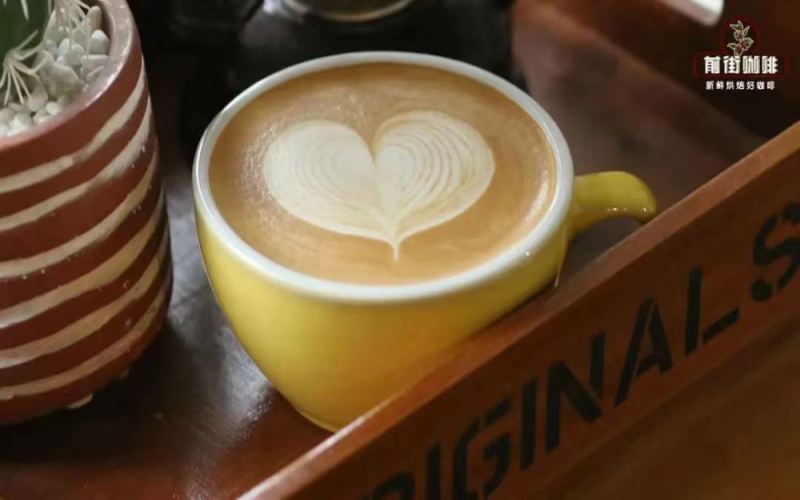
Latte Art Hearts from Scratch: Espresso and Milk Foam Techniques and Key Principles for Pouring Patterns
Latte art is a direct reflection of a barista's comprehensive skills. Behind a seemingly light and airy pattern lies the layered coordination of espresso quality, milk foam condition, and pouring technique. From the practical perspective of Front Street Coffee, this article systematically explains the prerequisites and operational details of heart-shaped latte art: how to choose an espresso blend suitable for latte art, how to use a steam wand to create fine and smooth latte milk foam, and the specific application of the five pouring principles—integration, pouring point, convection, and finishing. Whether you are a beginner just starting with latte art or an experienced hand looking to correct your movements, you can find actionable references here to gradually pour a full and clean heart-shaped pattern. [more…]
What Coffee Beans Should You Pair with a French Press? A Complete Guide to Brewing Steps and Key Techniques
To easily make a rich cup of black coffee at home, the French press is one of the lowest-barrier options, and its operation is quite similar to brewing tea. This article begins with the origin and structure of the French press, then sorts out the key parameters affecting extraction—grind size, water temperature, coffee-to-water ratio, and steeping time—and gives specific recommendations for medium-light and medium-dark roasted beans. It also reminds readers of the deep-cleaning points after use, as well as the French press's expanded uses in brewing tea, frothing milk, and more. The parameters and product information recommended by the Front Street brand in the article are all retained, making it suitable for coffee enthusiasts who want to systematically master French press brewing. [more…]

Learn Pour-Over from Scratch: A Practical Guide for Beginners on Choosing Coffee Gear and Beans
Friends who are just getting into specialty coffee are often eager to replicate a delicious pour-over at home. But faced with the bewildering array of equipment and beans on the market, how can beginners on a limited budget spend as little as possible while still buying the most suitable gear? This article will analyze the key points for choosing coffee beans, a grinder, a pour-over kettle, a dripper and filters, and a digital scale, one by one in order of priority, and give specific product recommendations from the Front Street brand. The core idea is: save the bulk of your budget for the grinder, start with low-spec entry-level gear for everything else, and only consider upgrading after you have grasped the principles of extraction and found your flavor preferences. [more…]

From Zero to Latte Art: A Self-Taught Barista's Passion and Rewards
For coffee lovers, latte art is not just a skill—it's a journey full of passion. This article shares the growth story of a self-taught latte artist, from最初 being drawn in by the smooth motions of a barista, to buying equipment, delving into extraction and milk frothing, and then reaping a sense of accomplishment through day-after-day practice. She discovered that a wish from years ago—"to make a hot latte with latte art in a pretty cup"—had quietly come true long ago, and that latte art brings far more than the pattern itself: it is the reward of persistence and a sense of ritual in life. If you, too, fell in love with coffee because of latte art, or are slowly improving through practice, this journey of the heart may just be a portrait of you. [more…]

A Full Analysis of Kenyan Washed Coffee Flavors: Pour-Over Performance and the Origins of Berry Notes in Three Specialty Regions
Kenyan coffee has long been known for its vivid berry notes, but a country label alone can no longer satisfy enthusiasts' curiosity about the details of its origins. This article focuses on three major specialty regions in Kenya—Nyeri, Kirinyaga, and Muranga—sorting out their respective geographical environments, altitude ranges, main varieties, and harvest rhythms, and, combined with Front Street Coffee's cupping records, presents the flavor differences among regions under washed processing. At the same time, readers are reminded that regional styles are not ironclad rules; altitude, variety, and processing method all influence the direction of the final cup. [more…]
A Detailed Guide to Pour-Over Brewing for Specialty Coffee Beginners: The Complete Technique from Folding the Filter to the Blooming Pour
Pour-over coffee is often labeled as "lazy man's coffee," as if it requires no complex equipment to make easily. But truly brewing a delicious pour-over involves far more detail than one might imagine. From the way the filter paper is folded, the amount of coffee grounds and how they are tamped, to the two-stage water temperature reduction, the criteria for judging the bloom, and the stability of the water flow and circular pouring technique—every step directly affects the final flavor expression. This article systematically breaks down the seven basic steps of pour-over hand-brewed coffee and includes five practical tips to help coffee enthusiasts avoid common pitfalls and consistently brew clean, even, and fully aromatic specialty coffee at home. The article also incorporates product recommendations from Front Street Coffee as a reference for daily practice. [more…]